What To Do In A Dental Emergency: The Dos and Don’ts
Quick Links:
- The Three Levels: How Urgent Is This Really?
- Your Emergency First Aid Toolkit: The Do’s and Don’ts
- What Happens After a Dental Emergency?
- Preventing Dental Emergencies
When You See Red and Panic Wants to Take Over
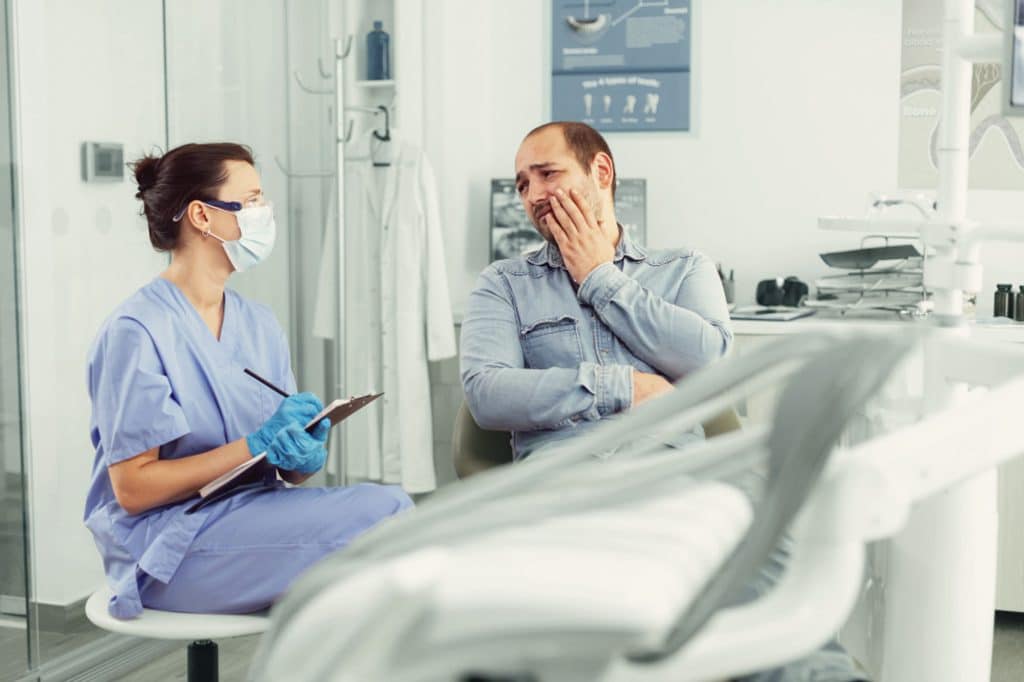
Let’s be honest…there’s nothing quite like the sickening feeling when you bite down on something and feel a tooth crack. Or when your child comes running inside with a bloody mouth and a tooth in their hand. Or when that dull ache suddenly explodes into pain that makes you pace the floor at 2am…
Dental emergencies are scary. They hurt. They happen at the worst possible times. And they leave you standing there thinking, “What do I do? RIGHT NOW?”
Well, here at Unley Park Dental Clinic in Adelaide, we’re not your ordinary dentist—and that includes being here for you when things go sideways. Whether it’s 3pm on a Tuesday or 3am on a Sunday, you’re not alone in this.
This guide will walk you through exactly what to do in those crucial first minutes, help you figure out if you need to drop everything and get help immediately, and give you the knowledge to protect your teeth (or your loved one’s teeth) until we can see you.
Take a breath. We’ve got this together.
First Things First: How Urgent Is This Really?
In the middle of a dental crisis, it’s hard to think straight. Your brain is screaming “EMERGENCY!” but you’re also wondering, “Can this wait until morning? Should I go to the hospital? Do I need a dentist right now?”
Here’s a simple way to assess what you’re dealing with:
The Two-Part Quick Check
Part 1: Is the tooth in the right place?
If the tooth is still firmly seated in its socket (even if it’s chipped or cracked) that’s actually good news. The tooth’s blood supply and nerve are likely still intact. But if the tooth has moved, been pushed in, pulled out partially, or knocked out completely, we need to act fast.
Part 2: Can you see red?
We’re talking about two types of “red” here:
- Uncontrolled bleeding that won’t stop even after 15 minutes of firm pressure
- Redness and swelling in your gums or face, especially with throbbing pain or fever
If you’re seeing either type of red alongside a displaced tooth, you’re in emergency territory and it’s time to Contact Us.
The Three Levels of Dental Urgency
Not every dental problem requires you to rush out the door, but knowing the difference can save your tooth. And your sanity.
GET HELP IMMEDIATELY (Within 1 Hour)
These situations need professional care right away:
- Tooth knocked completely out – This is a race against the clock. The ‘Golden Hour’ is real.
- Severe facial swelling with fever, trouble breathing, or difficulty swallowing – This isn’t just dental anymore; this is a medical emergency. Head to the hospital ER immediately. The infection is spreading and could affect your airway.
- Uncontrolled bleeding that won’t stop after 15 minutes of firm pressure
- Severe trauma to your jaw or face
URGENT CARE NEEDED (Within 24 Hours)
These need attention soon, but you have a bit of breathing room:
- Tooth pushed partially out or displaced (but still in your mouth)
- Severe toothache that over-the-counter painkillers can’t touch
- Broken tooth exposing the pink/red nerve inside – This needs covering to prevent infection
- Abscess or visible infection with localised swelling
SCHEDULE SOON (Within a Week)
These are uncomfortable but not urgent:
- Minor chip that doesn’t expose the inner tooth
- Lost filling or crown
- Mild toothache or sensitivity that comes and goes
- Minor gum bleeding (often just a sign you need a good clean)
Important heads-up: If something starts in the ‘schedule soon’ category but gets worse (like mild sensitivity turning into severe pain or swelling appearing) move it up to urgent and give us a call.
If you’re unsure which category you fit into, don’t be afraid to give us a ring and we’ll assess your situation and let you know how urgent the issue is.
Your Emergency First Aid Toolkit: The Dos and Don’ts
The Knocked-Out Tooth: Every Second Counts
This is the dental emergency where time matters most. If you or someone you’re with has had a permanent tooth completely knocked out, here’s exactly what to do:
✅DO:
- Find the tooth immediately and pick it up by the white crown (the part you normally see). Never touch the root.
- Rinse it gently if it’s dirty—use milk or sterile saline if possible. Tap water is okay if that’s all you have, but milk is better.
- Try to put it back in the socket right away if the person is an adult and conscious. Yes, really. Gently push it back in the right way around and have them bite down gently on a clean cloth to hold it in place.
- If you can’t replant it, keep it moist. Pop it in a container of milk, saline, or as a last resort, have the person hold it between their cheek and gum.
- Get to us within 30-60 minutes. Call ahead so we’re ready for you.
❌ DON’T:
- Don’t scrub the root or use soap. Those delicate fibers on the root are what help the tooth reattach.
- Don’t let it dry out. Even a few minutes of dry storage can kill the cells that make replantation successful.
- Don’t put it in tap water for long periods. Tap water actually damages the root cells.
- NEVER try to replant a baby tooth. If it’s a child’s primary tooth, just bring it along—we don’t replant those because it could damage the adult tooth developing underneath
Why the storage medium matters: The cells on the tooth root need to stay alive for successful replantation. Here’s your hierarchy of options:
- Milk (pasteurised) – This is your best bet. It’s in most fridges and keeps those root cells happy.
- Saline solution – Great if you have it on hand (like contact lens solution).
- Between the cheek and gum (saliva) – Only if you absolutely have no other option, and only for adults who won’t accidentally swallow it. Saliva isn’t ideal but it’s better than letting the tooth dry out.
- NEVER just wrap it in a tissue or paper towel – This is the same as letting it dry out.
The Chipped, Cracked, or Broken Tooth
Broken teeth range from “annoying chip” to “oh no, I can see pink inside my tooth.” Here’s how to handle it:
✅ DO:
- Find any broken pieces and save them in milk or saliva. Bring them to us—we might be able to bond the original piece back on, which gives the best aesthetic result.
- Cover sharp edges with dental wax (from the pharmacy) or even sugar-free chewing gum to protect your tongue and cheeks from cuts.
- Rinse with warm salt water to clean the area and reduce bacteria.
- Apply a cold compress to the outside of your cheek to reduce swelling and numb the pain a bit.
- Call us immediately if you can see red or pink inside the break—that’s the nerve, and it needs professional attention fast to prevent infection.
❌ DON’T:
- Don’t ignore even a “small” chip. Sharp edges can cut your soft tissues, and exposed areas can become sensitive or infected.
- Don’t chew on that side until you’ve seen us.
Severe Toothache or Abscess
That throbbing, relentless pain that paracetamol barely touches? That’s your tooth telling you something’s seriously wrong—usually an infection or inflamed nerve
✅ DO:
- Rinse with warm water and gently floss around the painful tooth to make sure there’s no food stuck and irritating it.
- Take over-the-counter pain relief as directed—ibuprofen or paracetamol work best.
- Apply a cold compress to the outside of your cheek (never heat if there’s swelling).
- Call us within 24 hours. This won’t get better on its own, and the longer you wait, the more complex (and painful) treatment becomes.
❌ DON’T:
- NEVER put aspirin or painkillers directly on the gum near the painful tooth. We know it’s tempting, but it will chemically burn your gum tissue and make things worse.
- Don’t apply heat if you have swelling—it can spread the infection.
- Don’t ignore warning signs: If your face or neck starts swelling rapidly, you develop a high fever, or you have any trouble breathing or swallowing, skip us and go straight to the hospital ER. The infection is spreading beyond your jaw, and that’s a medical emergency.
Cuts to Lips, Tongue, or Gums
Mouth wounds bleed a lot (there’s a great blood supply in there), which can look terrifying but is often manageable.
✅ DO:
- Rinse with salt water or antiseptic mouthwash to clean the wound.
- Apply firm, steady pressure with clean gauze or a cloth directly to the bleeding area. Hold it there for a full 15-20 minutes without peeking.
- Use a cold, damp tea bag (caffeinated) if you don’t have gauze. The tannic acid in tea helps blood vessels constrict and slows bleeding.
- Apply ice or a cold compress to the outside of your cheek to reduce swelling and pain.
❌ DON’T:
- Don’t keep lifting the gauze to check if it’s still bleeding—you’re disrupting the clot formation.
- Don’t panic about the amount of blood. Mouths bleed dramatically, but most cuts are manageable.
- Get professional help if bleeding doesn’t stop after 15 minutes of continuous pressure, or if the cut is deep or gaping. Head to our emergency line or the ER while continuing to apply pressure.
What Happens After the Crisis?
The Professional Fix
Once you’re with us, we’ll take over with the specialised care your tooth needs:
- Splinting – If your tooth has been knocked loose or replanted, we’ll stabilise it by gently attaching it to neighboring teeth while it heals.
- Root canal treatment – If the nerve has been exposed or damaged, we’ll remove it to prevent infection and save the tooth structure.
- Bonding or restoration – We can often reattach your original tooth fragment, or restore the tooth with a filling or crown that looks and functions like new.
The good news? When you act fast and follow the right first aid steps, you massively improve the chances of saving your natural tooth.
Why Follow-Up Appointments Aren’t Optional
Here’s something most people don’t realise: a tooth can seem totally fine after trauma but be slowly dying on the inside.
Even mild injuries can disrupt the blood supply to the tooth’s nerves. Sometimes the nerve dies weeks or even months later without obvious symptoms. Your body might also start a process called ‘root resorption,’ where it literally starts dissolving the tooth root from the inside.
These hidden complications often show up 1-2 years after the initial injury, which is why we’ll want to see you for follow-up checks and X-rays over that period. Catching these issues early means we can intervene before you lose the tooth.
We know it feels like overkill when your tooth feels fine, but this monitoring is what turns an emergency save into a long-term success story.
Preventing the Emergency Before It Happens
While we can’t bubble-wrap you (or your kids), there are smart ways to protect your smile:
Get a custom mouthguard if you or your children play contact sports. Professionally fitted mouthguards absorb impact forces and dramatically reduce the risk of knocked-out or fractured teeth. The difference between a custom guard and a drugstore one is massive—both in protection and comfort.
Keep up with regular checkups. Teeth weakened by decay or old fillings are much more likely to crack or break during a minor accident. Catching these issues early means your teeth can handle the bumps life throws at them.
Teach kids the basics. Even young children can learn not to run with hard objects in their mouths, to avoid chewing on ice or hard candy, and to wear their mouthguard during sports.
When You Need Us, We’re Here
Dental emergencies don’t respect business hours. They happen at kids’ birthday parties, during Sunday barbecues, at midnight when you’re trying to sleep, and on public holidays when you’re supposed to be relaxing.
That’s why we’re not your ordinary dentist. When you call our emergency line, you’re not getting a recorded message or a referral to someone else. You’re getting immediate, expert guidance from our team—the right advice for your specific situation, delivered calmly and clearly.
We’ll tell you exactly what to do right now, what to bring with you, and how to get the tooth to us in the best possible condition. And when you arrive, we’ll be ready—with the right equipment, the right expertise, and a calm, supportive environment where you’re not just another emergency slot.
A quick note about hospital ERs: They’re absolutely crucial for life-threatening situations like spreading infections, breathing difficulties, or jaw fractures. But for most dental emergencies—knocked-out teeth, cracked teeth, severe toothaches—we can provide more specialised, definitive care than a hospital emergency department. We have the dental equipment, materials, and expertise to actually save your tooth, not just stabilise you.
Don’t Wait. Don’t Panic. Just Call.
If you’re dealing with:
- A knocked-out or displaced tooth
- Severe pain that won’t quit
- Uncontrolled bleeding
- Facial swelling
- A broken tooth exposing the nerve
Every minute matters.
Don’t spend an hour Googling. Don’t wait until morning ‘to see if it gets better.’ Don’t convince yourself it’s not urgent enough to bother us. It’s okay. We’re here to help.
The difference between saving your tooth and losing it often comes down to how quickly you act.
CALL OUR EMERGENCY LINE NOW
(08) 8373 4755 – Available 24/7
We’re here. Right now. Ready to help you through this.
Because dental emergencies are stressful enough without wondering whether you’re doing the right thing. Let us take over from here.
Book With Confidence
Whether you’re new to Adelaide or simply looking for a dental clinic that feels a little different, we invite you to discover Unley Park Dental.
From your first appointment to your final results, we prioritise your comfort, clarity, and care.
Unley Park Dental. Not your ordinary dentist in Adelaide.