

At Unley Park Dental, we understand that the thought of a tooth extraction can be a bit daunting.
Our philosophy is simple: we’re here to make this a comfortable and straightforward experience, not a chore.
From the moment you walk in, we focus on your comfort above all else. We offer multiple sedation levels to help you relax, use the latest minimally invasive extraction methods, and take all the time you need to feel confident about your procedure. Our gentle technique means faster healing, less discomfort, and—most importantly—no traumatic memories.
If you’re reading this, you probably spent the last few days Googling “painless tooth extraction” while holding your jaw. We get it. We really do. That’s why we built our entire extraction process around people like you: the ones who’d rather do literally anything other than sit in a dental chair. The ones who’ve postponed this appointment seventeen times.
Show More +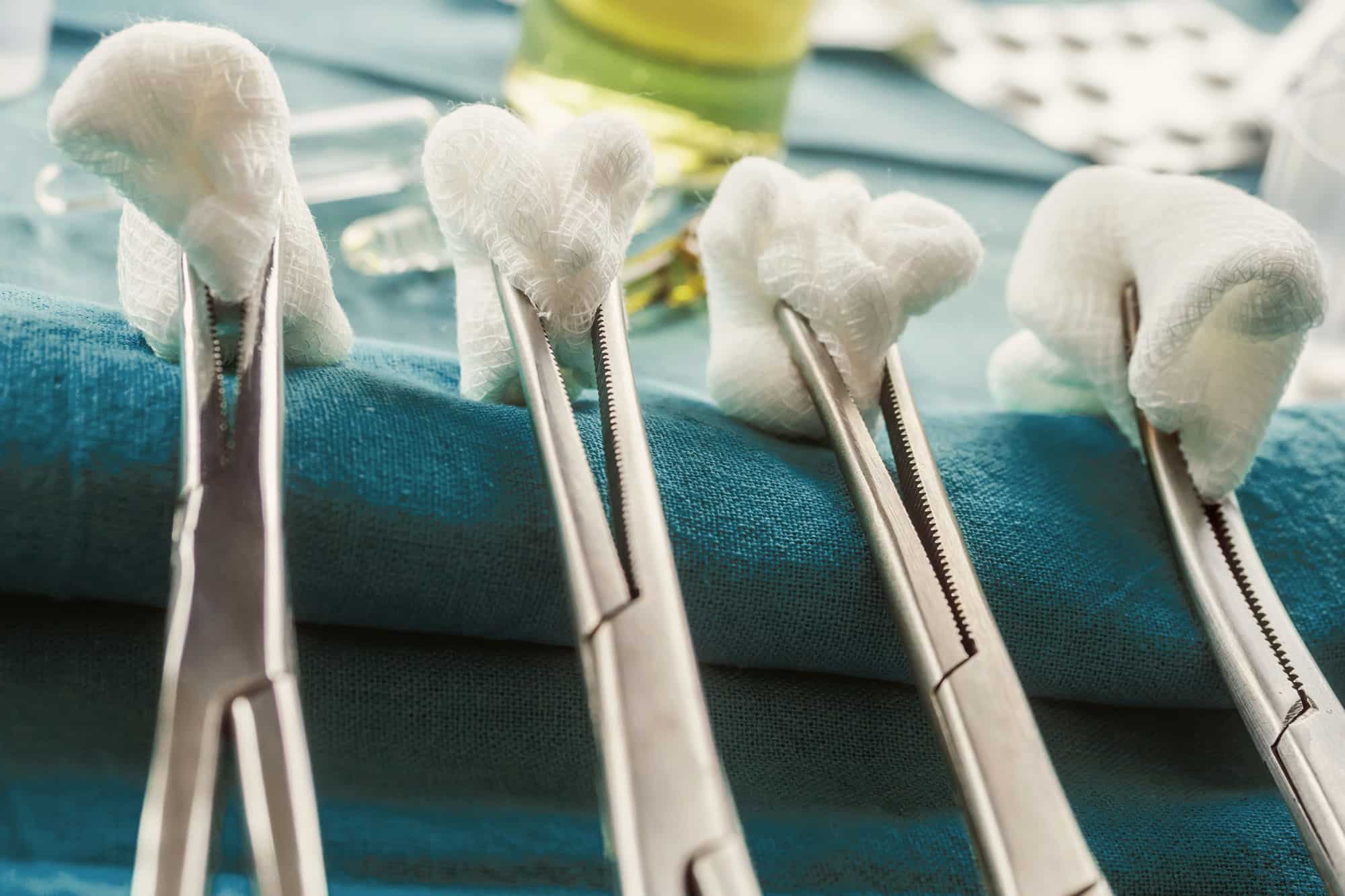
What are Tooth Extractions for?
Tooth extractions are sometimes necessary when a tooth can no longer be saved or when keeping it may cause more harm than good. While we always aim to preserve natural teeth whenever possible, there are situations where removal is the healthiest option for your mouth and overall wellbeing.
Extraction is usually recommended when a tooth is too damaged, decayed, or infected to respond to other treatments like fillings, root canals, or crowns. In some cases, removing a tooth helps relieve pain, prevent the spread of infection, or make way for better alignment. It’s never a first resort, but sometimes, it’s the right one.
The Process
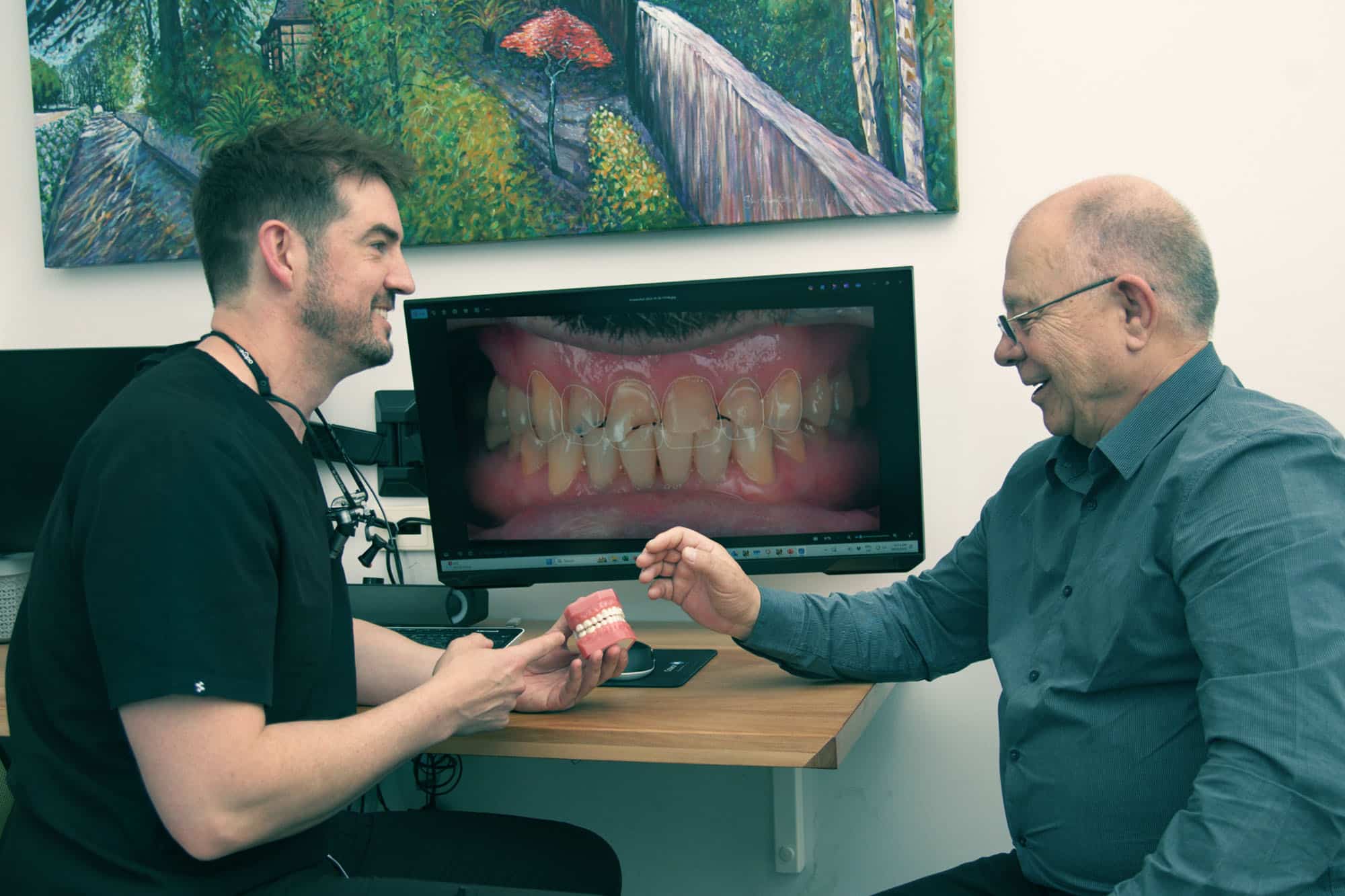
Our process ensures every patient receives personalised attention, comprehensive treatment, and ongoing support. From your first consultation through your complete recovery, we prioritise your comfort, understanding, and long-term oral health success. This is what ‘care beyond the chair’ truly means.
Common Reasons for Tooth Extractions
Severe Decay or Infection:
Advanced Gum Disease:
Crowding or Orthodontic Needs:
Impacted Wisdom Teeth:
Cracked or Broken Teeth:
Preparation for Dentures or Implants:
Why Unley Park Dental for Tooth Extraction?
Our care goes beyond the chair.
Because you want a dentist who combines experience, innovation, and care. We deliver thoughtful, individualised treatments with the latest technology—always guided by your comfort, needs, and goals.
We don’t follow the standard script. We plan deeper, communicate better, and aim higher. Our process is led by genuine relationships, not conveyor-belt care. From our technology to our tone, everything we do is about delivering a more refined experience.
Each member of our team brings a specialist skillset and a shared philosophy: excellence with empathy. Our dentists are not only highly qualified—they’re deeply committed to your comfort and results.
We believe that great results begin long before treatment starts. Our process starts with a detailed consultation and examination. Using state-of-the-art tools–hih-resolution photography, digital x-rays, and 3D imaging–we map out every detail of your dental needs. This approach allows us to plan with precision and avoid unnecessary surprises. Whether you’re here for a simple clean or a full-mouth reconstruction, we’re always thinking three steps ahead.
Show More +
Frequently Asked Questions
How long does it take to recover from a tooth extraction?Recovery usually happens over several phases. The initial blood clot forms within 24–48 hours, with most discomfort subsiding in three to four days. Then the soft tissue heals in one to two weeks, while complete bone healing can take up to three months. If you follow our post-op instructions to a T, it can speed recovery and minimises complications and pain.
Do's and don'ts after tooth extraction?After extraction, bite gauze for 30–45 minutes, apply ice packs intermittently, rest with head elevated, stick to soft foods, and rinse gently with saltwater after 24 hours. Avoid smoking, spitting, using straws, vigorous rinsing, hard or crunchy foods, and strenuous exercise for at least two days to protect the clot.
How painful is a tooth extraction?Most of our patients feel pressure and vibration but little to no sharp pain during extraction. This is because we have created a tooth removal strategy that minimises discomfort during the process.
Mild discomfort and soreness can persist for two to three days, which over-the-counter or prescribed pain relievers typically manage effectively.
If you experience unexpected significant pain–which hasn’t happened to any of our patients–contact us right away.
When should I consider teeth removal?Consider tooth removal if a tooth is extensively decayed or fractured beyond repair, if infection persists despite root canal therapy, or if impacted wisdom teeth cause pain, crowding, or recurrent infections. We may also advise extraction to prepare for orthodontic treatment, dentures, or implants when space and health considerations require it.
What are some alternatives to tooth extraction?Saving your natural tooth is always our first goal. So depending on the issue, we might recommend any of the following first before resorting to tooth extraction:
- Fillings or Inlays/Onlays: Repair small to moderate decay by removing only damaged enamel and restoring your tooth’s shape.
- Root Canal Therapy: Eliminate infection inside the tooth and seal it, preserving both function and aesthetics.
- Dental Crowns: Cap a cracked or weakened tooth after root canal treatment to restore strength and prevent further damage.
- Periodontal Therapy: Treat advanced gum disease with deep cleaning, scaling, and root planing to stabilise loose teeth.
- Orthodontic Intervention: Gently reposition crowded teeth to relieve pressure and eliminate the need for removal.
While the idea of removing a tooth may sound scary, extractions often provide significant benefits for your overall oral health and quality of life, such as:
- Instant Pain Relief. A tooth that’s badly decayed, infected, or cracked can cause relentless throbbing. Once removed, the source of discomfort is gone, and you can go back to your routine soon.
- Stopping the Spread of Infection. Left untreated, a deep infection can migrate to adjacent teeth or even enter the bloodstream. Extraction halts that risk, protecting your overall health.
- Preventing Future Complications. Impacted wisdom teeth or severely misaligned teeth can crowd your mouth, leading to gum problems, cysts, or bite issues. Taking out problematic teeth early avoids more invasive surgery later on.
- Creating Space for Orthodontics. If braces or aligners are part of your treatment plan, removing one or two teeth can give your orthodontist the room needed for a straighter, healthier smile.
- Facilitating Prosthetic Solutions. Sometimes extraction is the first step toward a secure dental implant or a comfortable denture. Clearing the site means better fit, stronger support, and a more natural-looking result.
- Improved Bite and Functionality. A troublesome tooth can alter how you chew or speak. Extraction helps restore proper alignment so you can eat, speak, and smile without hesitation.
Do’s
- Bite gently on gauze: Keep firm pressure for 30–45 minutes to help a stable blood clot form.
- Apply ice packs: In 15-minute intervals for the first 24 hours to reduce swelling.
- Rest and elevate: Keep your head raised on pillows to curb bleeding and discomfort.
- Stick to soft foods: Yogurt, mashed potatoes, and smoothies are gentle on the socket.
- Maintain oral hygiene: Rinse gently with warm saltwater 24 hours after extraction; brush other teeth carefully.
- Take medications as directed: Follow prescribed pain relief and, if needed, antibiotics to ward off infection.
Dont’s
- Avoid spitting or rinsing vigorously: This can dislodge the clot and cause a dry socket.
- Skip straws and smoking: Sucking motions loosen clots and delay healing.
- Don’t eat hard or crunchy foods: Chips, nuts, and popcorn can irritate the socket.
- Resist strenuous activity: No heavy lifting or intense exercise for at least 48 hours
Preventing tooth extractions starts with being proactive about oral care and building healthy habits. We recommend brushing twice daily with fluoride toothpaste and flossing once a day to remove plaque before it causes decay or gum disease. We also highly encourage pairing this with regular dental exams and professional cleanings. Early detection stops small issues from turning serious.
Another thing you can do is to maintain a balanced diet low in sugary snacks and drinks to protect enamel strength. Plus, avoid tobacco, which accelerates gum disease progression. If you grind or clench, ask us about a nightguard to prevent cracks.
For personalised guidance and tailored preventive plans, contact us.
Other Services We Offer
Cosmetic Dentistry
Your smile says a lot about you. We offer tailored cosmetic solutions designed to enhance, not overhaul, your appearance. Our services include professional teeth whitening to lift stains, porcelain veneers to perfect shape and colour, and full smile design services that harmonise aesthetics with facial balance. Every cosmetic treatment is planned with your goals and ensures that results look naturally beautiful and feel comfortable.
Orthodontics
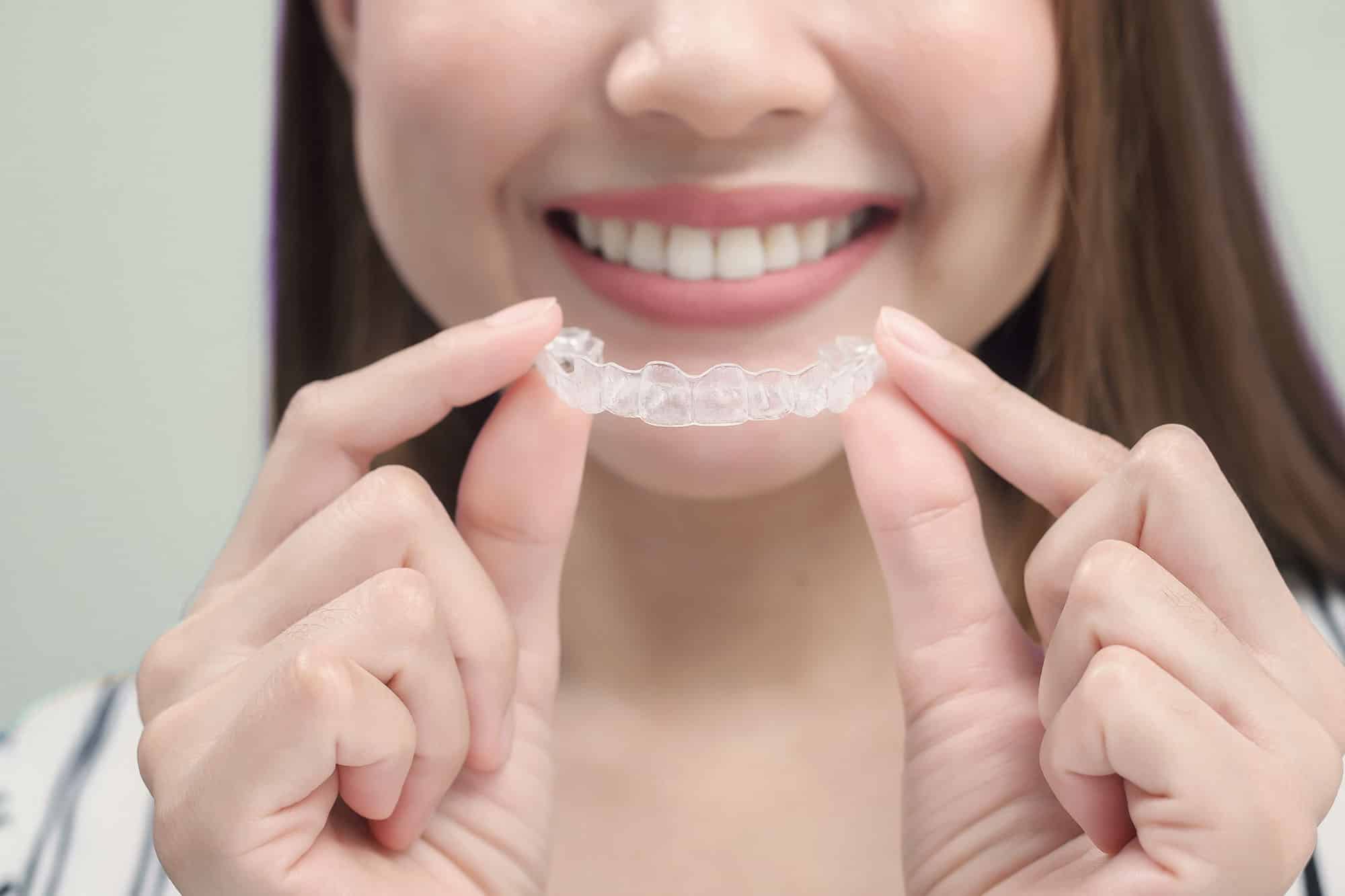
Orthodontic care is about more than just aesthetics. Straighter teeth are easier to clean, less prone to wear, and better for your bite and jaw health. We offer clear aligners for discreet correction and traditional braces for more complex cases. Our orthodontic plans are personalised for adults and teens, ensuring comfort, compliance, and great results.
Dental Implants & Restorative Dentistry
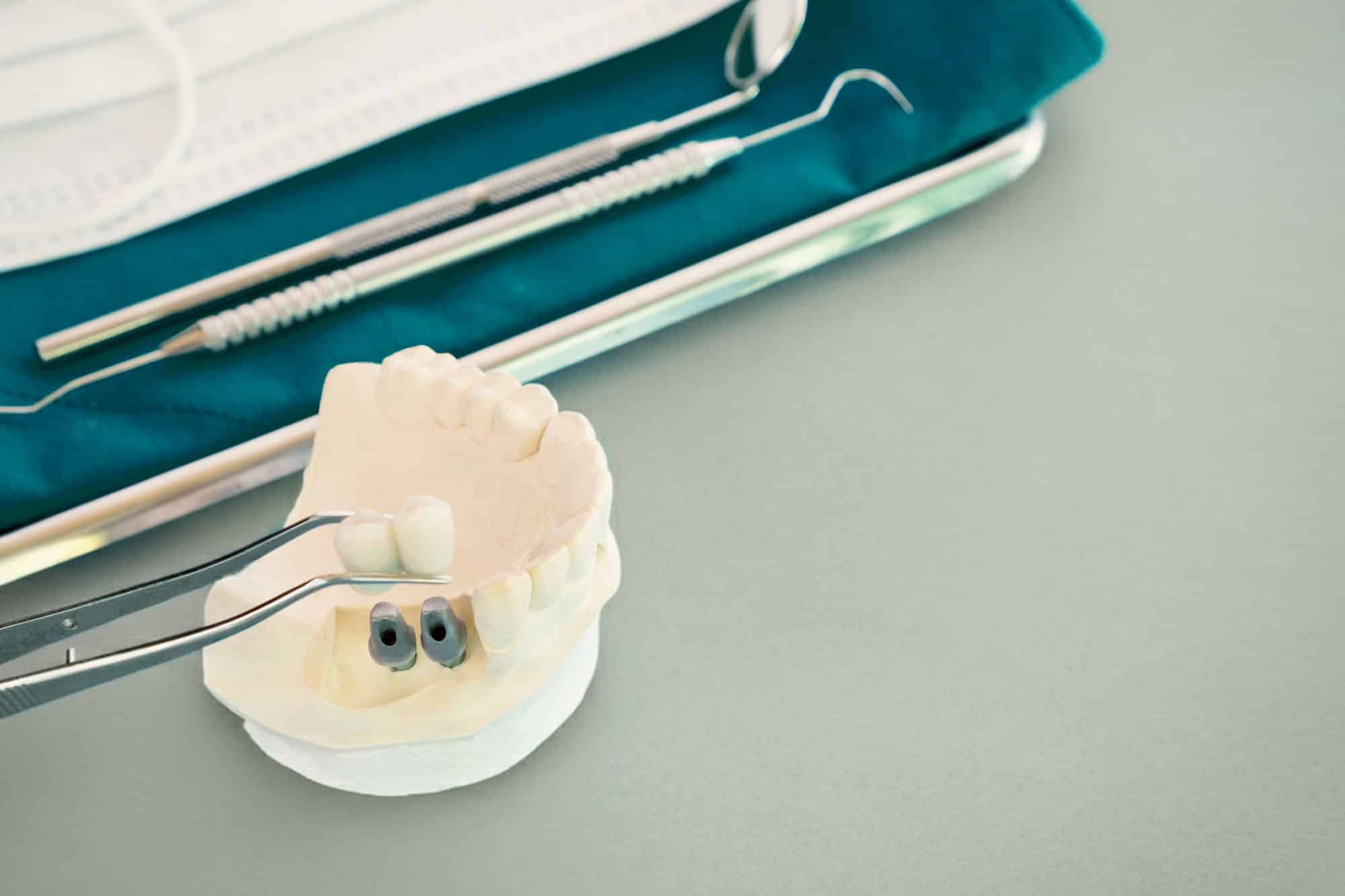
Missing or damaged teeth can impact your confidence, speech, and chewing ability. Our restorative dentistry solutions—like dental implants, crowns, and bridges—help you regain full function and appearance. We use digital scans and premium materials to ensure every restoration fits perfectly and lasts. For those needing full-arch solutions, we offer All-on-4 treatments and high-quality dentures designed for natural appearance and stability.
Specialist Dental Services
We offer in-house access to advanced dental procedures you’d typically need a referral for. Our specialist services include gum disease management (periodontics), oral surgery, and crown lengthening for aesthetic or functional improvement. We also provide sleep dentistry (sedation) for nervous patients and emergency appointments when urgency matters most.
Book With Confidence
Whether you’re new to Adelaide or simply looking for a dental clinic that feels a little different, we invite you to discover Unley Park Dental.
From your first appointment to your final results, we prioritise your comfort, clarity, and care.
Unley Park Dental. Not your ordinary dentist in Adelaide.